Why Preparation Belongs in the Quote
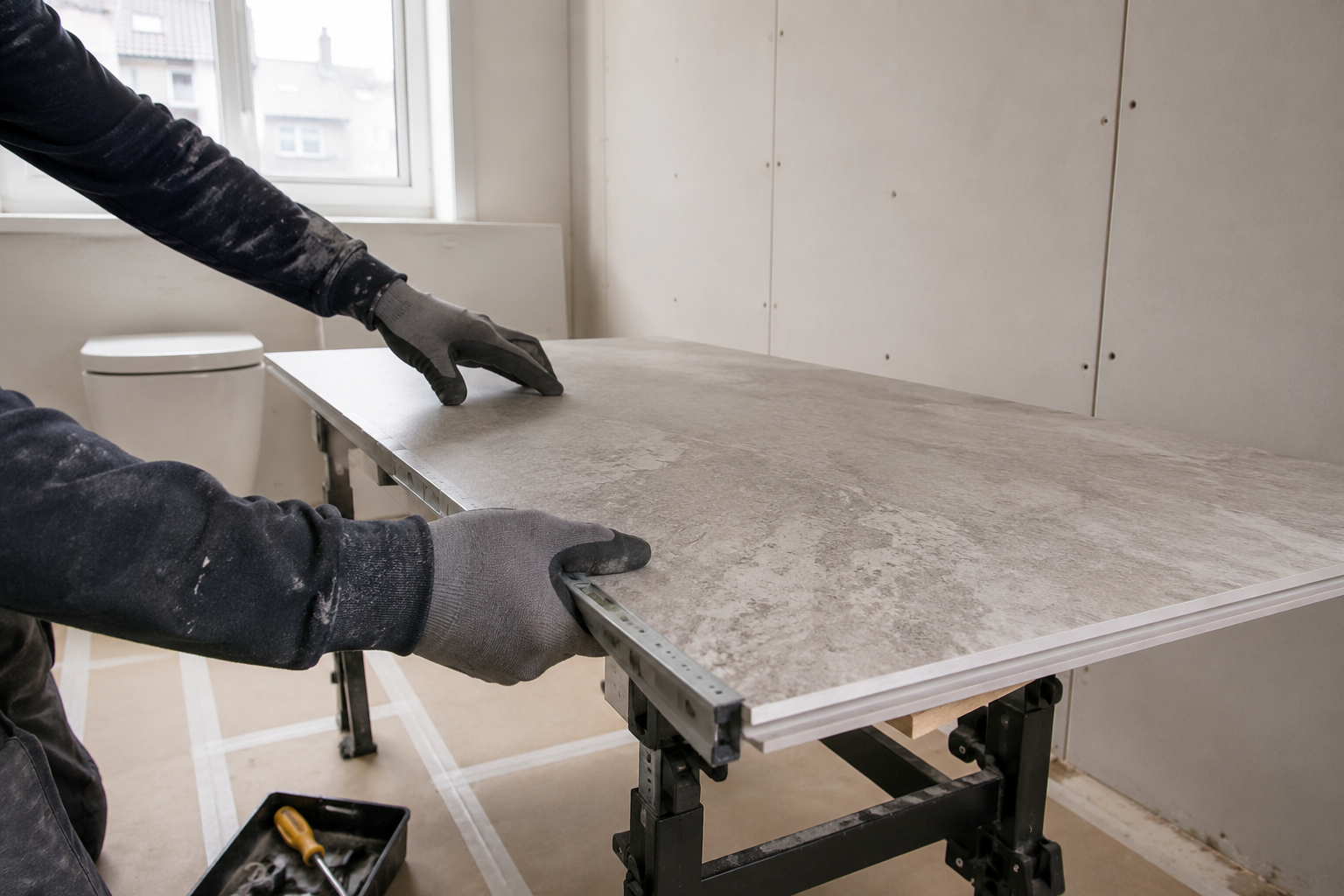
The new panels are the part you see, but the wall behind them affects how the installation holds together. A suitable surface needs to work with the adhesive or fixing method specified for the product. Loose plaster, moving tiles or damp material cannot be made sound just by covering it. Ask for preparation to be described in the quote rather than hidden inside a vague fitting charge. You should understand what is being removed, repaired or left in place. That makes it easier to compare prices without rewarding a quote that omits necessary work.
What Can Be Checked Before Removal
A visit can reveal visible staining, loose areas, uneven corners and problems around the existing bath or tray. Photographs can help identify where to look, but they cannot show everything behind the finish. Tell the installer about any past leaks or repeated repairs, even if the wall currently looks dry. Describe movement, smells or water appearing elsewhere after a shower. This information helps the fitter decide what needs investigation. It does not guarantee an exact repair total before removal, but it gives the quote a more realistic starting point.
Finding the Cause of Damp Marks
A stain beside a shower may be connected to a failed seal, pipe leak or another moisture problem. The cause should be investigated before the wall is covered again. Ask what checks are included and who will carry out any plumbing repair. A freshly cleaned or painted surface is not proof that the problem has stopped. The wall may also need time or further work before it is suitable for panels. Agree the sequence of repair and fitting so an installation date does not become a reason to cover material that is not ready.
Removing Loose or Unsuitable Finishes
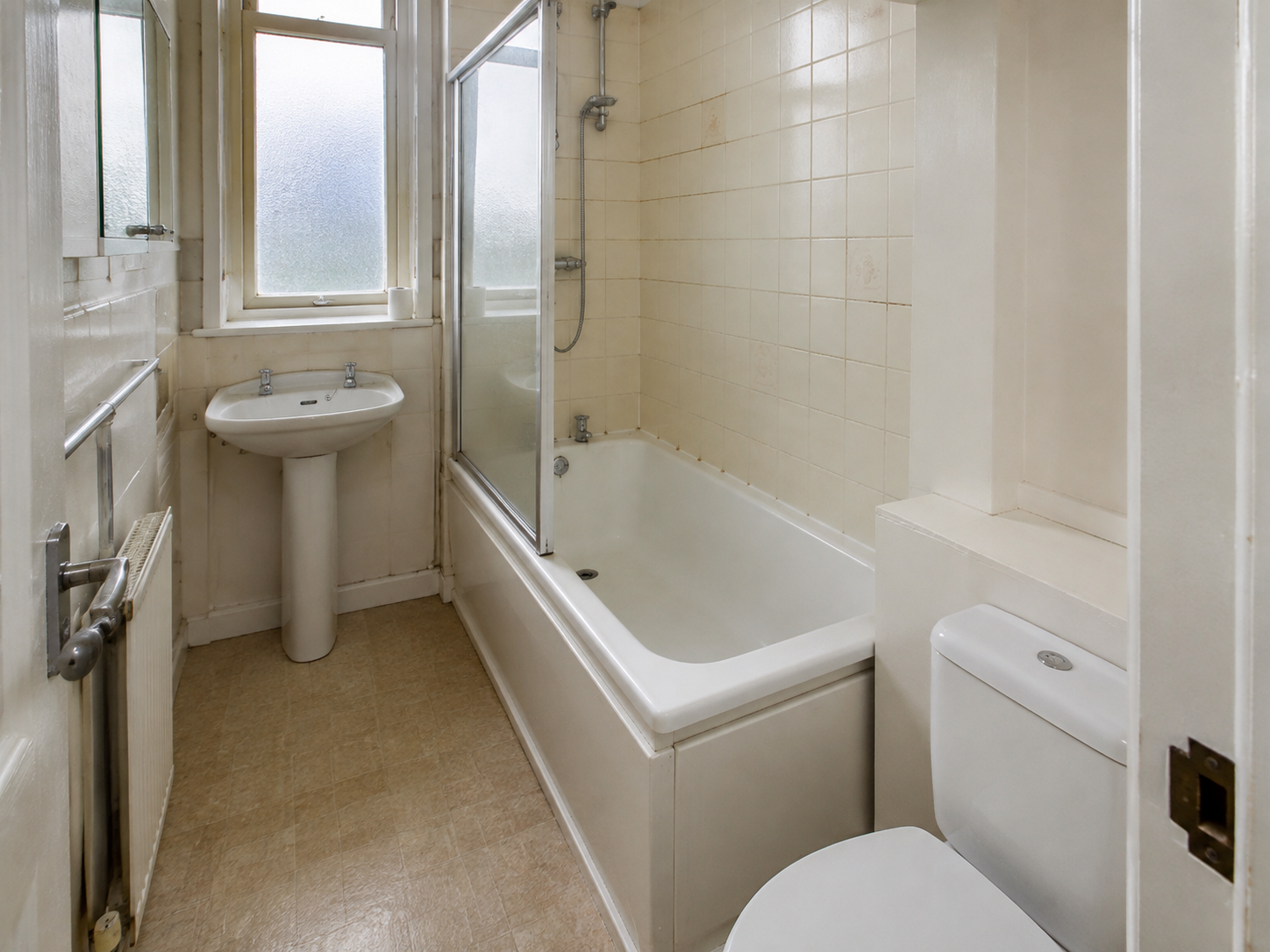
Some existing surfaces may be suitable to remain under an approved panel system, while others need removal. The decision depends on the exact boards, adhesive and wall condition. Ask whether old tiles, loose paint or adhesive ridges will come off and how the resulting surface will be made ready. Removing tiles can uncover more damage than was initially visible. The fitter should explain that possibility without treating it as a certainty in every room. A clear description of the intended preparation helps you understand what is included and what would count as an additional repair.
Dealing with Uneven Corners and Walls
Panels need a planned fit around corners, windows and fittings. An uneven wall may require levelling or a different supported fitting method, depending on the product. Do not assume thicker boards will simply hide every irregularity. Ask how much room the proposed preparation takes up, especially beside a narrow bath or shower tray. Added layers can affect screen positions, tap openings and the depth of window recesses. The preparation plan should work with those measurements, rather than being decided independently after the bathroom products have already been ordered.
Support Behind Rails and Furniture
A shower screen, wall-mounted vanity or support rail needs secure fixings. The decorative panel alone should not be treated as the structural support. Tell the fitter where those items will go before the walls are finished. Extra support may need installing while the wall is open, and that work belongs in the budget. If you may need a rail later, discuss whether suitable support can be included now. Keep a record of its location. Planning these details early is usually clearer than discovering after fitting that an accessory cannot be secured where you want it.
How to Handle Unexpected Repairs
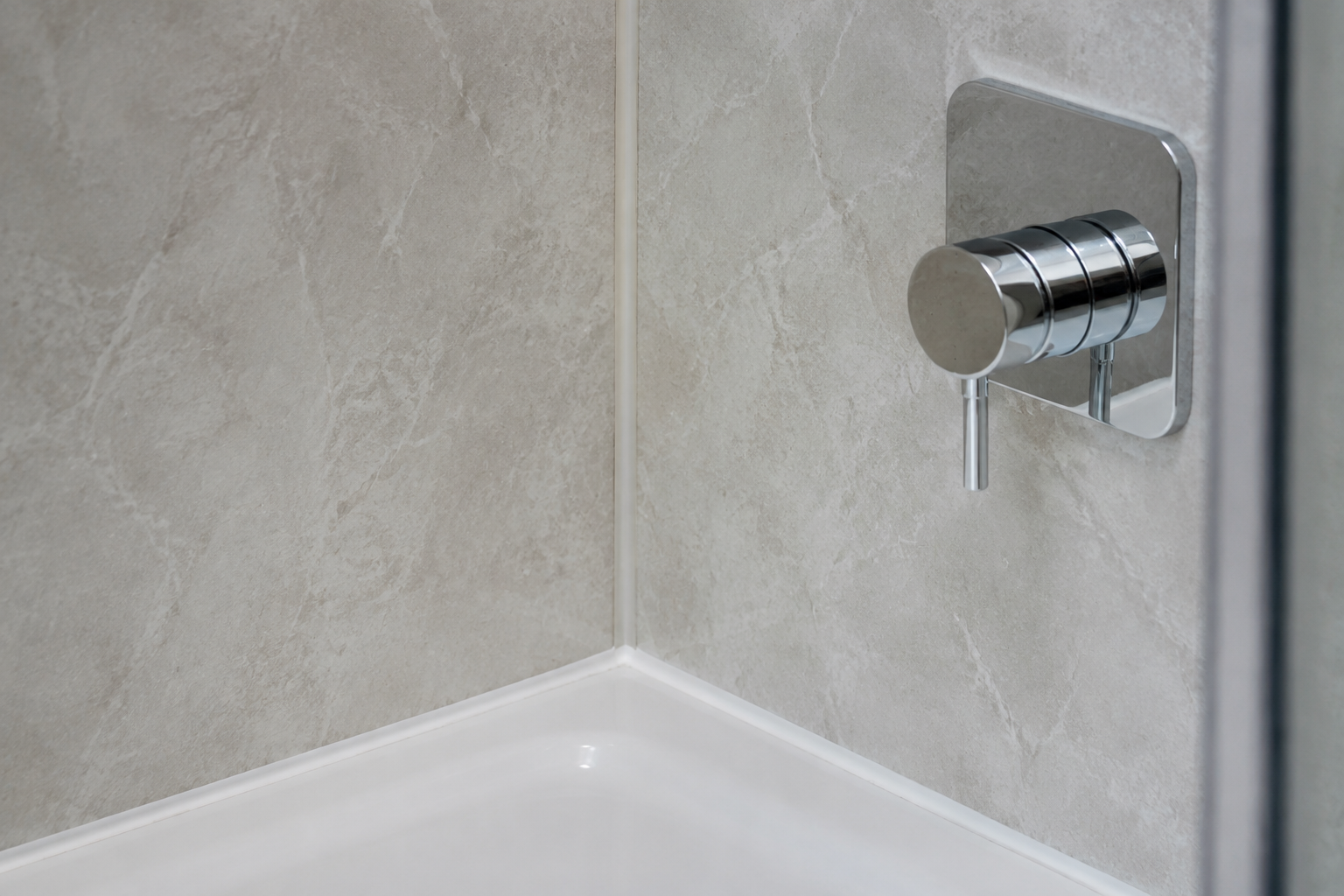
Ask how the installer will show you newly exposed damage and explain the proposed repair. You should receive a description of the work and any price change before agreeing it. If the original quote contains an allowance, ask what that allowance covers and how unused or additional amounts are handled. Keep the agreed change in writing with the original quote. The aim is neither to assume the worst nor to pretend hidden problems never occur. It is to know how the decision will be made if the old bathroom reveals something that could not be checked earlier.
Separate Essential Work from Optional Upgrades
Repairing a leaking connection or removing loose or damaged material is different from choosing a more expensive panel pattern. If the total is higher than expected, ask for those items to be separated. You may be able to keep a sound fitting or select a simpler finish while retaining the preparation the room needs. Cutting necessary repairs to afford a decorative upgrade is unlikely to solve the original problem. A written breakdown helps you make a deliberate choice about where the money goes and which improvements can wait without compromising the agreed installation.
Keep the Preparation Record with Your Quote
Save photographs of significant repairs where available, along with product information and agreed changes. These records can help explain what lies behind the panels if future work is needed. Before the room is closed up, ask any questions about wall support, pipe access or repaired areas. At handover, check the visible finish and keep the cleaning instructions as well. Preparation is easy to overlook because it disappears from view, but understanding it gives you a better basis for judging the complete job and maintaining the bathroom after the fitting team has left.