It Is Possible with Some Systems
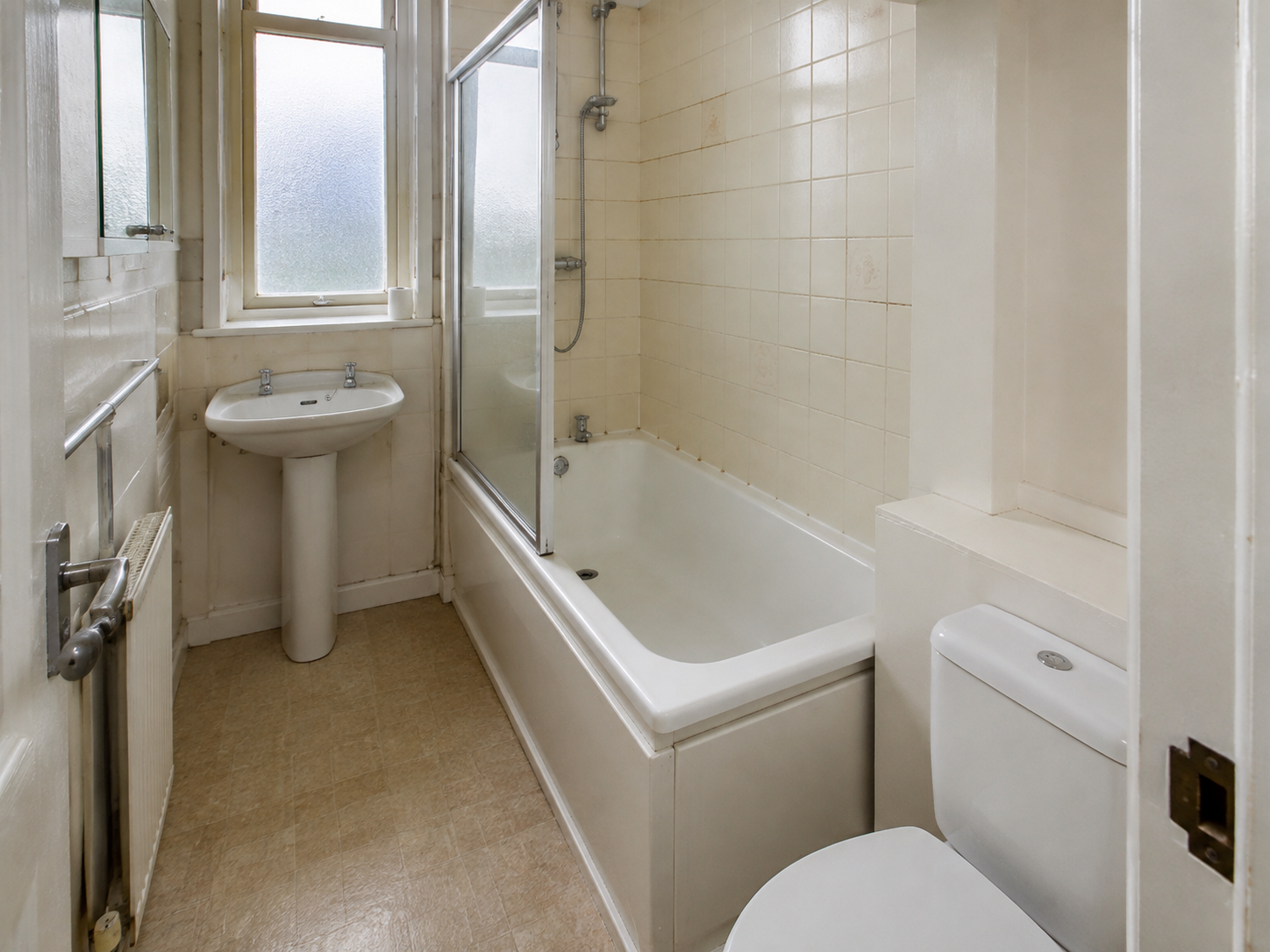
Certain bathroom panel systems allow fitting over existing tiles when the surface meets the manufacturer’s requirements. That is not a blanket approval for every panel or tiled wall. The installer needs to check the exact product instructions and the condition of the surface. Ask which method is proposed and why it is suitable for your room. A neighbour’s successful installation does not prove that your tiles, adhesive or wall are the same. The decision should be made after inspection, with the preparation and materials clearly described in the quote.
Check That the Tiles Are Firm
A panel is only as reliable as the surface supporting its fitting system. Loose or moving tiles should not be left as an unstable layer behind it. Cracks, damaged areas and hollow-sounding sections may need closer assessment by the fitter. The aim is to identify whether the existing tiled surface is sufficiently sound, not to rely on a quick visual impression. Do not assume that a new adhesive will secure everything underneath. Ask what will happen if tiles come loose during preparation and how any resulting repair will be explained and priced.
Investigate Staining and Leaks First
Water marks, repeated mould or swollen material beside a tray can indicate a problem that panels should not conceal. Tell the installer what happens after the shower is used and whether seals have already been repaired. The source of moisture may need checking behind the visible finish. Covering a wall can make later investigation more difficult. If a leak or damp area is found, its cause and the affected materials need attention before fitting continues. A cleaner-looking surface is not the same as a repaired wall, even when the new panel face is waterproof.
The Tile Face Still Needs Preparation
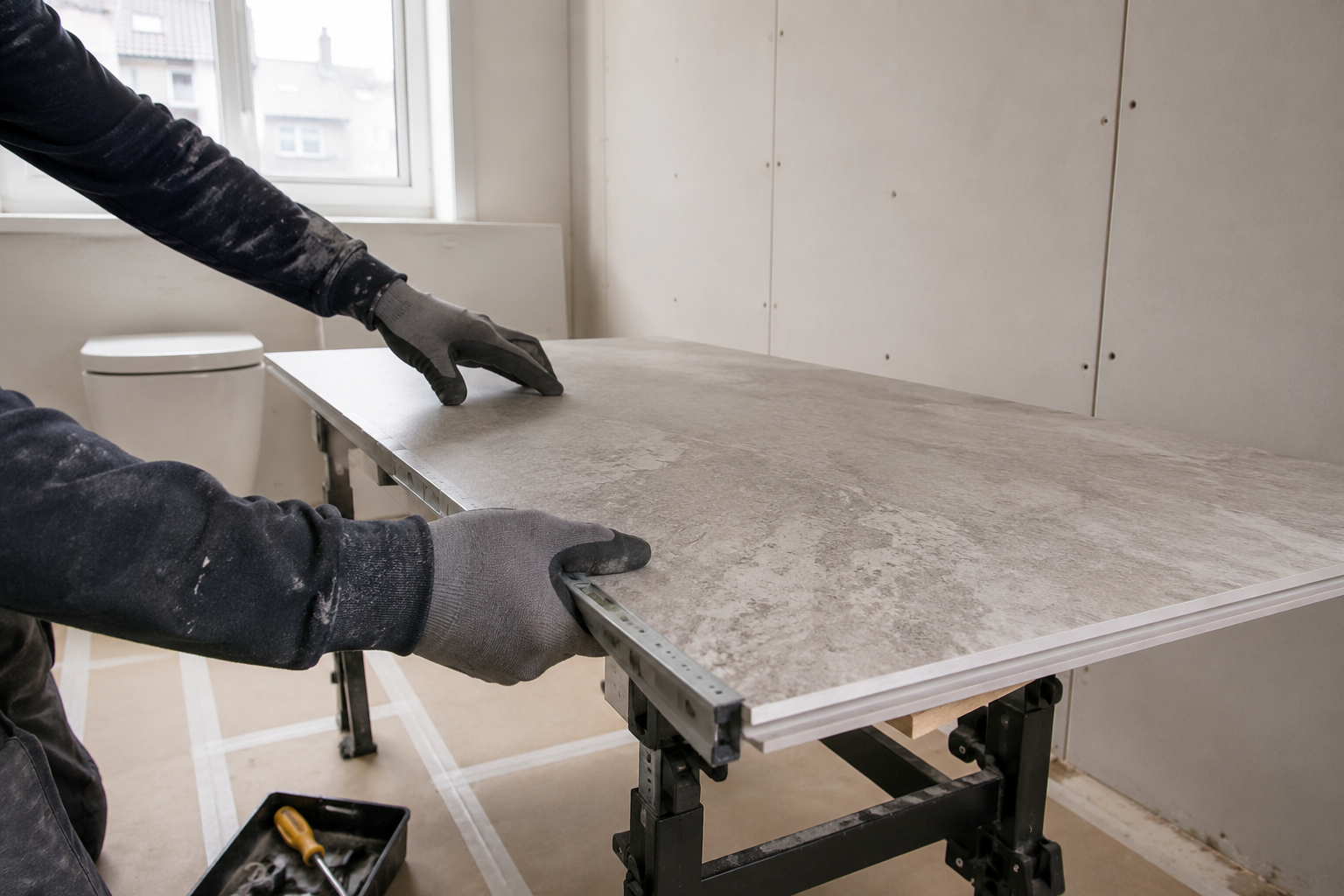
Existing tiles may carry soap residue, grease, loose sealant or other contamination that affects how well the adhesive sticks. The preparation must follow the panel and adhesive instructions. Some products require particular treatment of a smooth or glossy surface; others specify a different approach. Avoid using a general online method as a substitute for that guidance. Ask the fitter to explain what will be cleaned, removed or levelled before the boards go on. The quote should account for that work so fitting over tiles is not mistaken for simply applying panels to an untouched bathroom wall.
Allow for the Extra Wall Thickness
Keeping tiles means the new panel face sits further into the room. That can affect shower-screen profiles, tap fittings, window edges and the space around a bath or tray. A small change in depth may matter where clearances are already tight. The installer should check how the panel will meet each fitting and whether anything needs moving or extending. Ask to see the edge detail at the doorway or painted wall. A method that saves removal work can still create other adjustments, so those consequences need to be part of the decision.
Look at the Bath and Shower Tray Edges
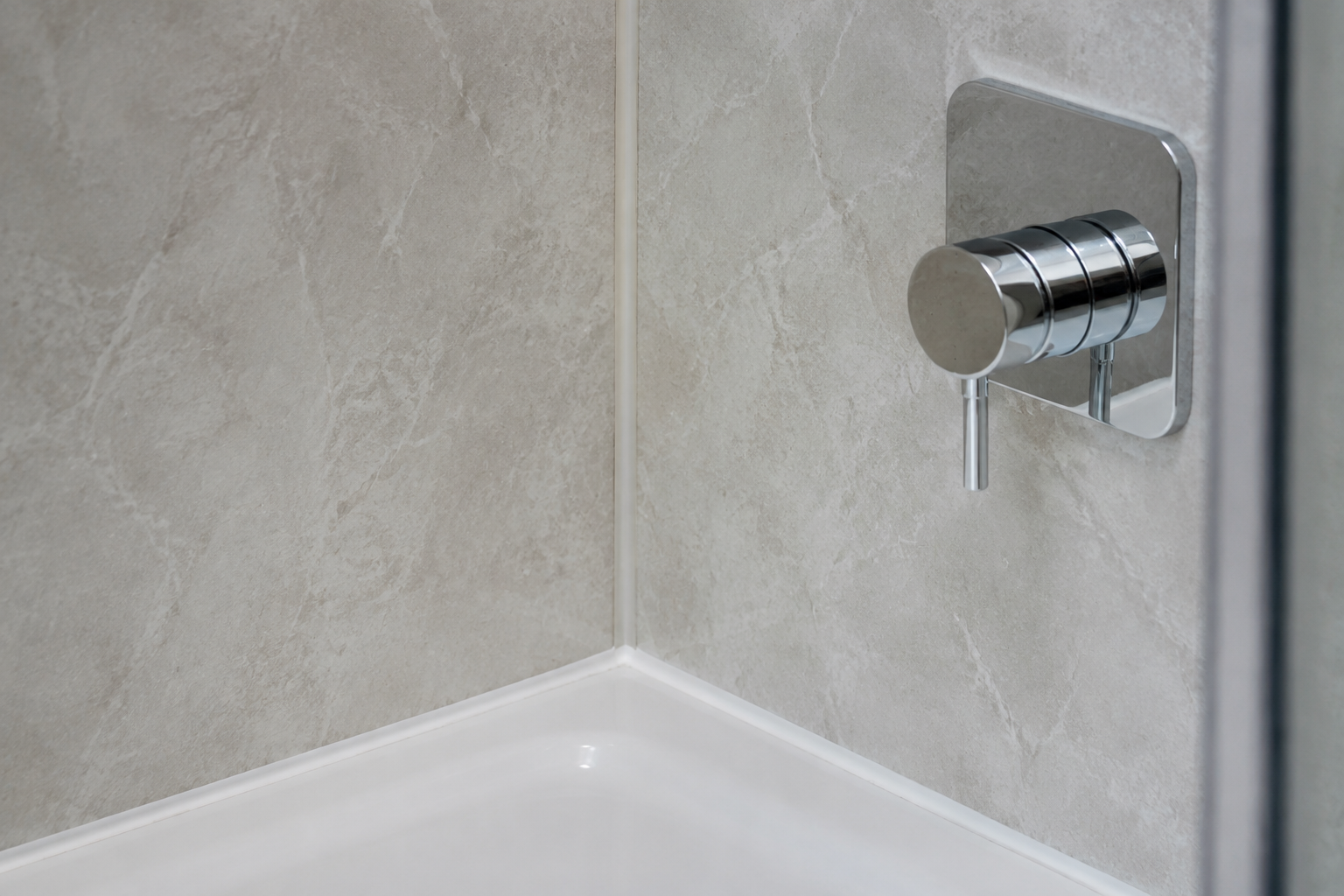
The bottom of the panels must connect properly with the bath or tray using the chosen system’s specified detail. Existing tile thickness, old seals and screen positions can complicate that join. A tray that moves or a bath that is not secure needs attention before the final seal is made. Ask whether the screen must come off to reach the edges and whether it will be refitted or replaced. The visible flat wall is only one part of the installation; the lower edge is particularly important because it is regularly exposed to water.
Understand When Removal Is the Better Choice
Removing tiles may be necessary if they are loose, the wall needs repairs or the proposed panel system does not allow fitting over existing tiles. It can also provide better access to pipework or support needed behind fittings. That work creates more disruption and waste, but it may solve problems that would otherwise remain hidden. Ask the installer to explain the reason for removal rather than assuming it is unnecessary extra labour. Equally, if the fitter proposes keeping the existing tiles, ask how the checks have established that keeping the tiles is reasonable for this room.
Compare the Complete Work and Price
Request a clear description of the chosen method, including preparation, trims, fitting changes and disposal. If both fitting over the tiles and removing them are practical, compare their complete prices and effects on the bathroom dimensions. A saving in tile removal may be offset by changes around screens or windows. Keep the product instructions and the agreed approach with the quote. Any hidden repair discovered during work should be explained before you approve the extra cost. Comparing the whole job gives a more useful answer than asking only whether panels can technically be stuck over tiles.
Make the Decision After the Room Is Checked
Photos can show the layout and obvious damage, but they cannot confirm how firmly tiles are attached or what lies behind them. Arrange a visit before ordering materials on the assumption that they can go over the existing tiles. Show the fitter any known leaks, loose fittings or previous repairs. Confirm the actual panel range and how its edges will meet the bath, shower and windows. Fitting over tiles can be a useful option in the right circumstances. The condition of the existing wall and the instructions for the exact product should decide, rather than a promise that every bathroom can avoid removal.