There Is No Universal Lifespan
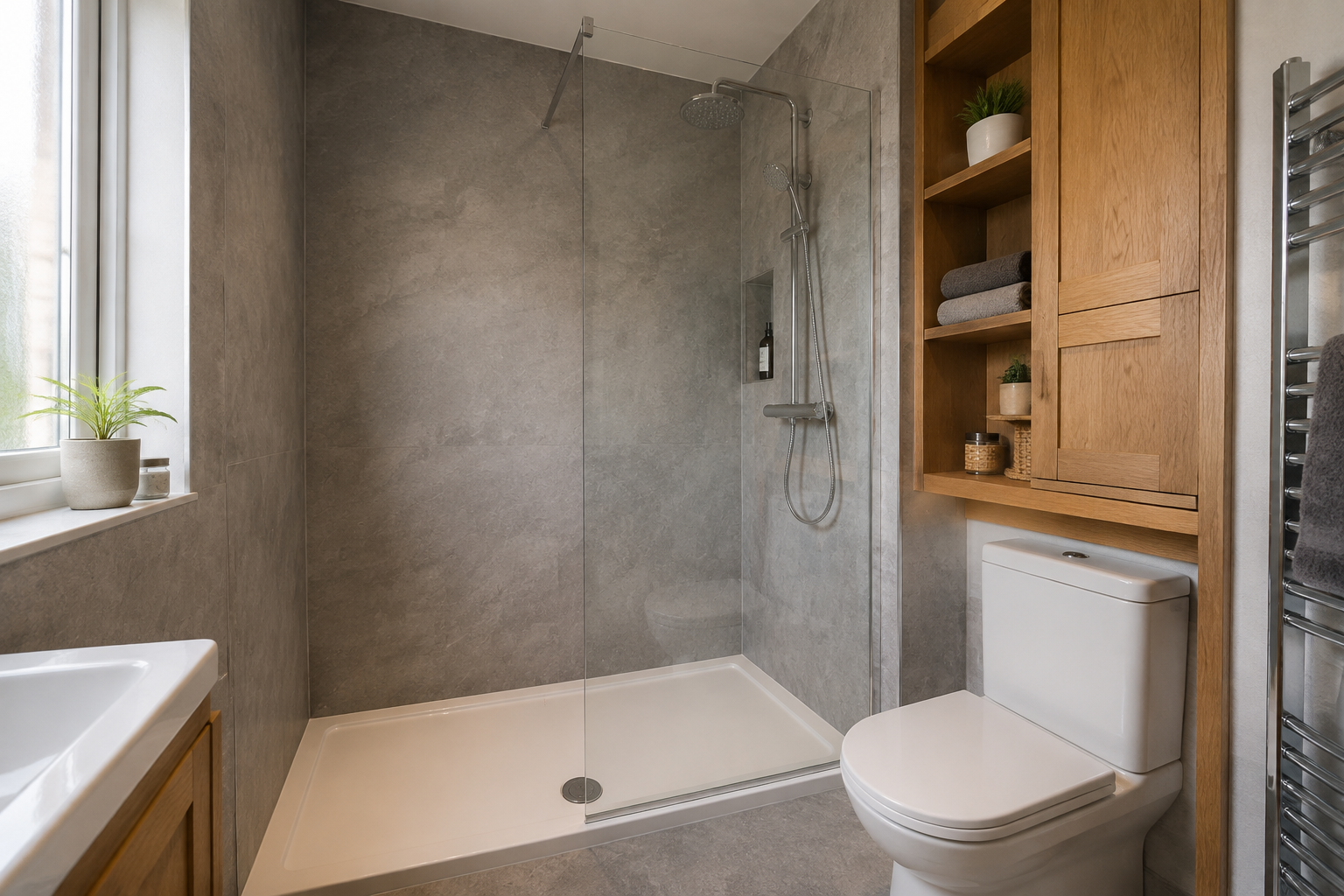
Different wall panels have different constructions, surfaces and intended uses. The conditions in the bathroom and the way the system is fitted also matter. It would be misleading to promise that every panel lasts a fixed number of years. Ask about the exact product rather than relying on a general online figure. A well-chosen board still needs suitable preparation and correctly made connections. The useful question is what helps this system perform in your room and what maintenance it requires, rather than how long a completely unspecified panel might last in an ideal example.
Understand What a Warranty Actually Covers
A manufacturer may offer a warranty with conditions about installation, use and care. Read those terms for the particular range and keep the documents. The stated period is not the same as a promise that every part of your bathroom will need no attention for that length of time. Product cover and fitting cover may be separate, and damage caused by misuse or another fault may be treated differently. Ask for unclear wording to be explained before choosing. Do not compare products only by the largest number shown in a headline without checking what it refers to.
Choose Boards Suited to Their Position
A decorative wall panel may not be intended for direct shower spray. Even among bathroom products, cores, joints and fitting details can differ. Confirm that the proposed range suits the bath, shower or other area where it will be installed. Ask about any limitations around heat, fixings or particular surfaces. The panel pattern alone tells you little about these requirements. A suitable product used in its intended position has a better basis for reliable service than a board selected solely because it looks attractive or resembles a more expensive material in a photograph.
Preparation Affects the Finished Result
The surface behind the panels must work with the specified fitting method. Loose plaster, moving tiles or unresolved moisture can cause problems with the fitted panels even if the board itself is sound. Tell the fitter about previous leaks and repeated repairs. Ask what preparation is included and how hidden damage is handled if found during removal. Good preparation is not a decorative upgrade that can simply be skipped to save money. It is part of making sure the walls are ready for fitting. A longer warranty label cannot compensate for a wall that was not ready to receive the panels.
Joints and Seals Need Ongoing Attention
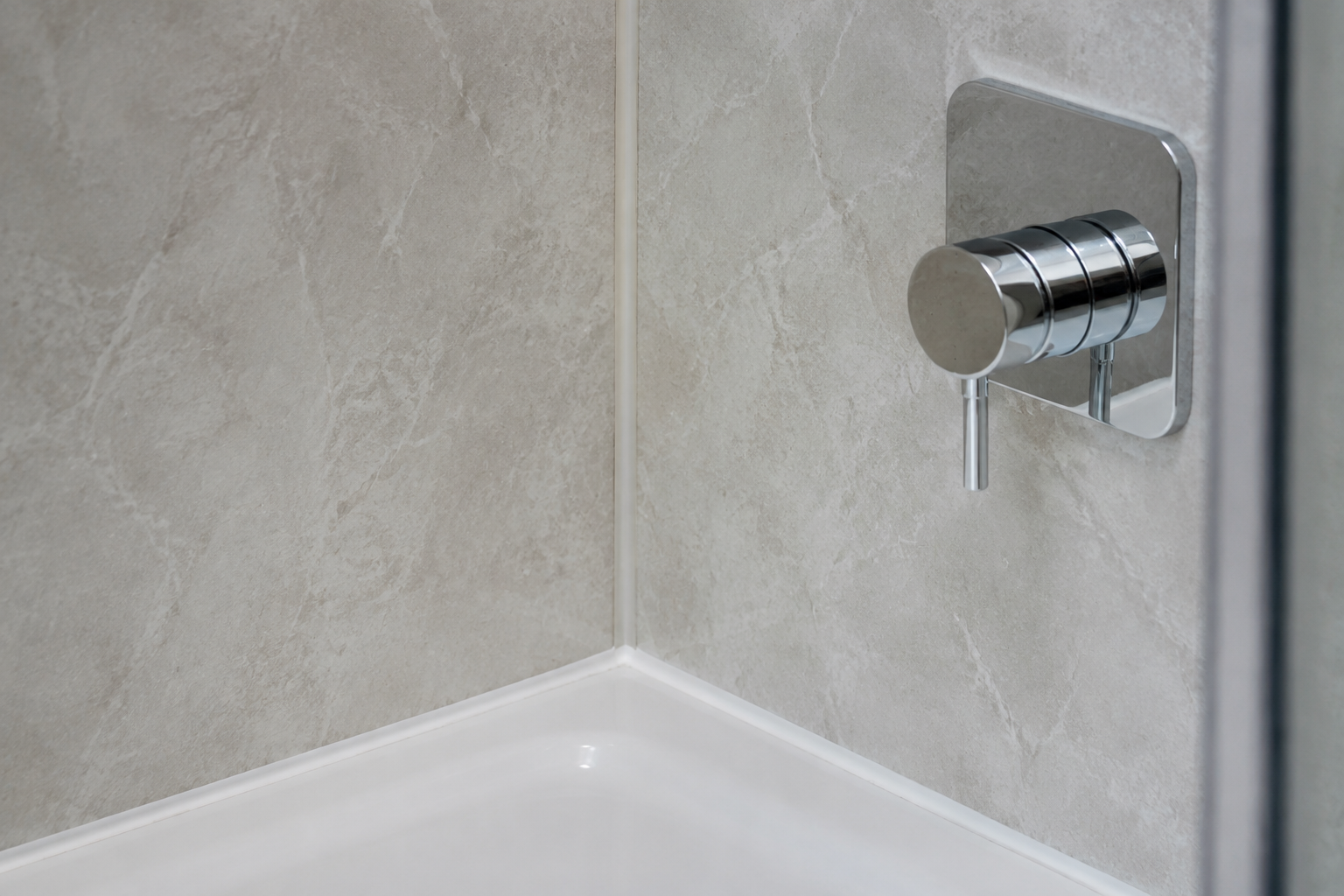
Corners, board connections and lower edges beside a bath or tray are places to check during cleaning. Check them while cleaning and report gaps, lifting or repeated staining. A seal can be affected by movement or damage even when the broad panel face remains in good condition. Do not assume the whole room is maintenance-free because there are fewer grout lines. Follow the product guidance and have recurring problems investigated. Repeatedly covering a failing joint with more sealant may delay understanding the cause and allow damage to spread behind a surface that still looks mostly intact.
Cleaning Can Preserve or Damage the Finish
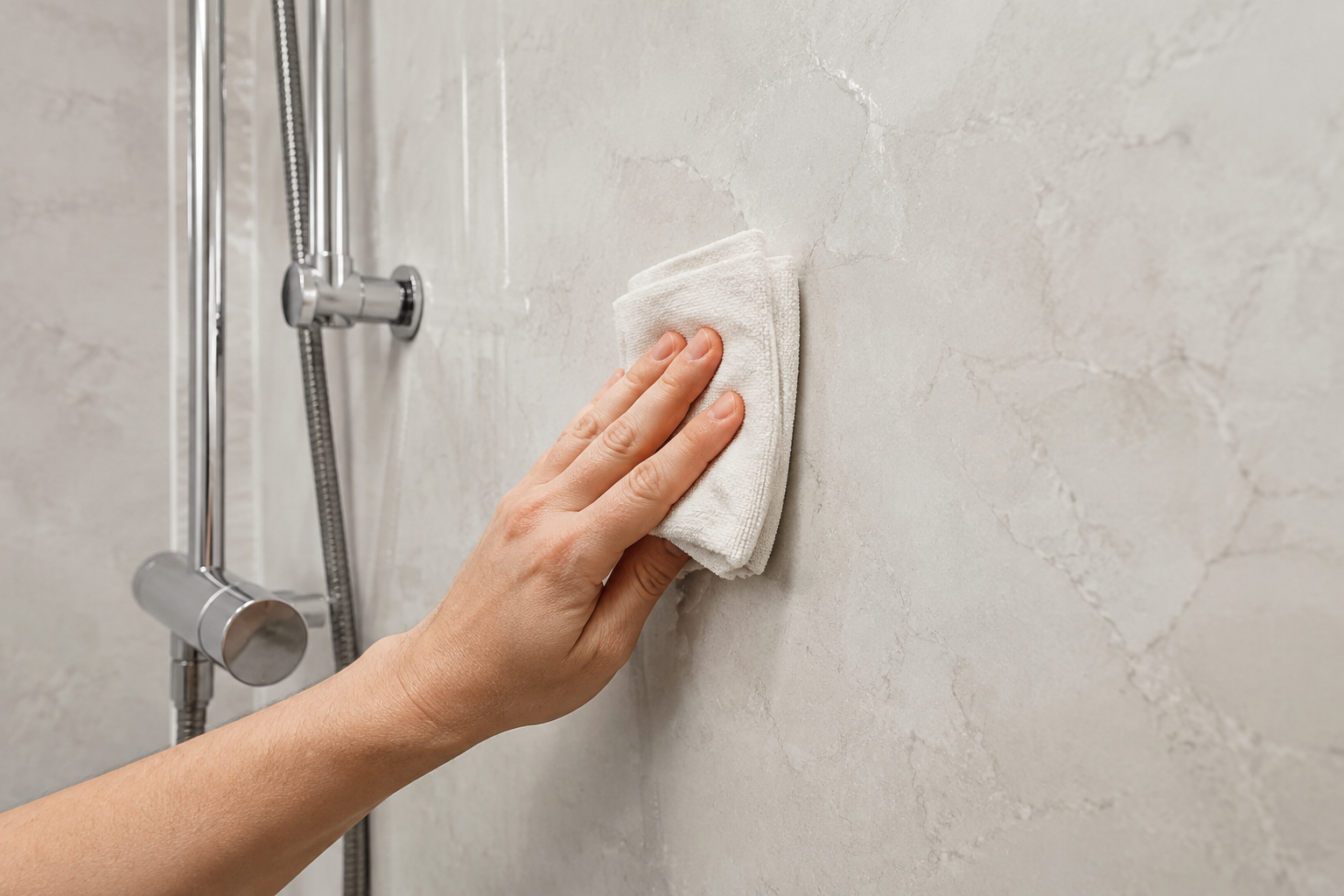
Use the care instructions for the exact panels. Abrasive pads, strong chemicals or unsuitable solvents can affect some surfaces, while soap residue and water marks need routine attention. Keep cleaning products away from the wall where prolonged contact is not recommended. If an unusual stain appears, ask the supplier before trying several different treatments. A gentle, consistent routine is easier to maintain than aggressive cleaning after heavy build-up. The panel’s useful appearance depends partly on this everyday care, so consider the cleaning guidance while choosing a finish rather than only after the bathroom is installed.
Ventilation and Leaks Still Matter
Panels do not remove moisture from the air or prevent a pipe from leaking behind the wall. Persistent condensation, damp marks or water appearing outside the shower need an appropriate check. Use ventilation as intended and report changes promptly. A room that stays wet because of an unresolved fault can affect materials beyond the decorative face. The cause should be addressed rather than concealed with a new board or paint. Good maintenance looks at the whole bathroom, including plumbing and extraction, instead of treating wall panels as an isolated product that can protect every surrounding component by itself.
Recognise When Repair May Be Needed
A small scratch, loose trim and swollen board can require different responses. Record the location and any change after shower use, then contact the installer or supplier with the product details. Do not pull apart the system or drill investigation holes without appropriate advice. A repair may involve one component or a wider section depending on the joints and access. Matching an older finish may also be difficult if the range has changed. Keeping the original references and any spare material helps make that discussion clearer, even though it cannot guarantee an invisible replacement at any future date.
Keep the Information That Supports Long-Term Care
Save the range, colour, installation instructions, care sheet, quote and any warranty terms in one place. Record significant repairs and the products used. At handover, ask how to report a concern and when new seals can first get wet. These simple steps give you a practical basis for looking after the bathroom. Ask how the chosen panels should be fitted and cared for, rather than relying on a fixed lifespan claimed for every type. Choose a system you understand, maintain it as instructed and investigate changes before a small visible problem becomes a larger hidden one.