The Amount of Wall Being Covered
The floor area is only part of the picture when pricing bathroom panels. A narrow room with a high ceiling can need more boards than a wider room with panels only around the shower. Measure the height and width of each wall and mark windows, doors and other openings. The installer then checks how those measurements fit the available board sizes. A window does not always reduce the board order because the surrounding cuts may still use a full sheet. Ask which walls are included in the quote and how high the panels will go.
The Panel Range and Its Accessories
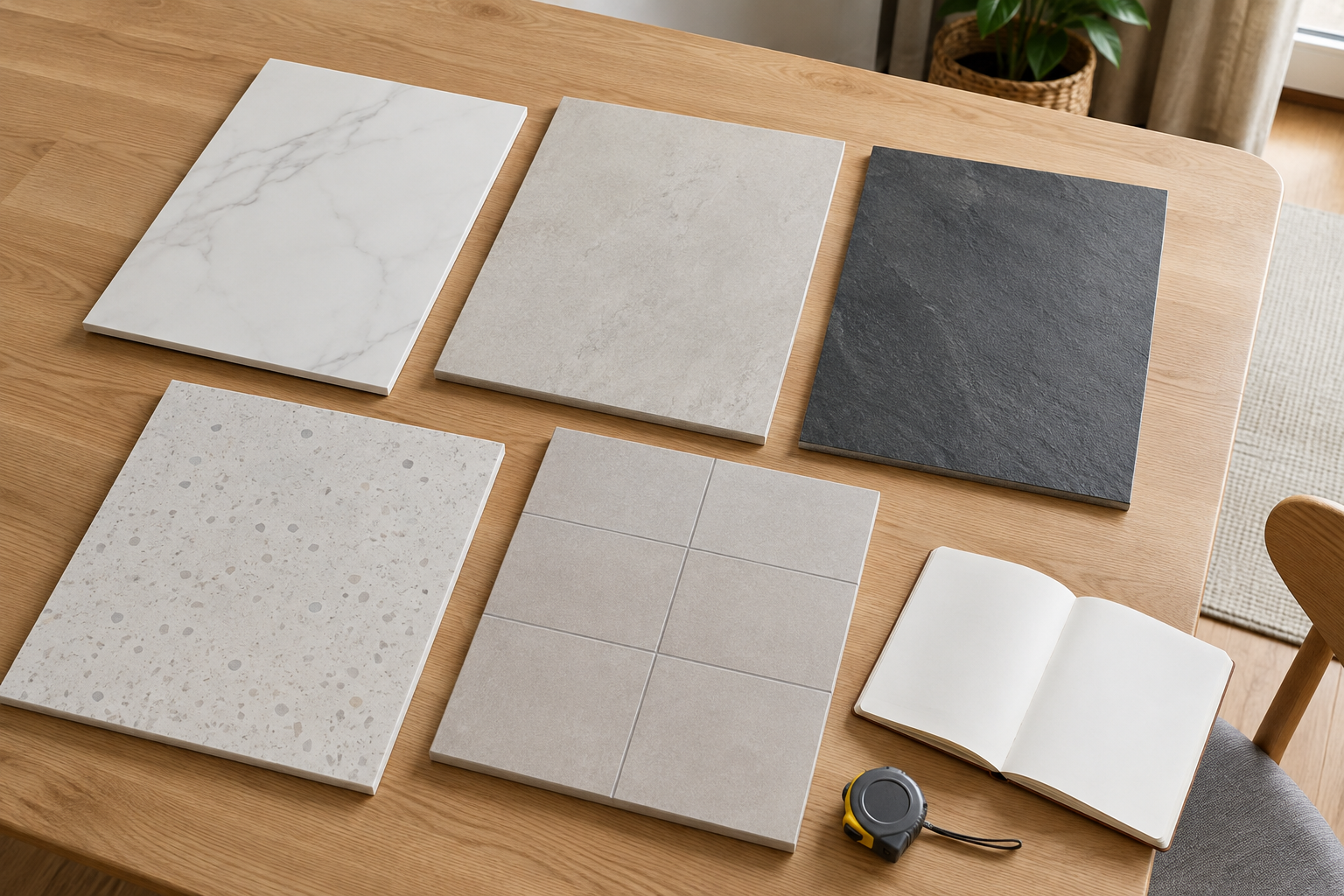
Panels with a similar marble picture can have different cores, thicknesses, joints and prices. Ask for the manufacturer, range and colour on the quote so you can compare the actual products. Corner trims, end pieces, adhesive and sealant also belong in the total. A cheaper advertised board can work out differently once the complete fitting system is included. If you change the finish after ordering, check whether that also changes the board size, trim colour or delivery time. Compare a complete set of materials rather than the price of one panel.
Removing the Old Bathroom Finish
Taking out old tiles, boards or fittings uses time and creates waste. Some panels may be suitable over an existing surface, but that decision depends on the product and the condition of the wall. Do not assume removal has been included because a quote says installation. Ask which surfaces come off, which fittings are disconnected and whether old adhesive needs removing. A shower screen or vanity may need taking out temporarily to reach the wall. Those small access jobs can change the amount of labour without changing the finished appearance.
Wall Repairs and Preparation
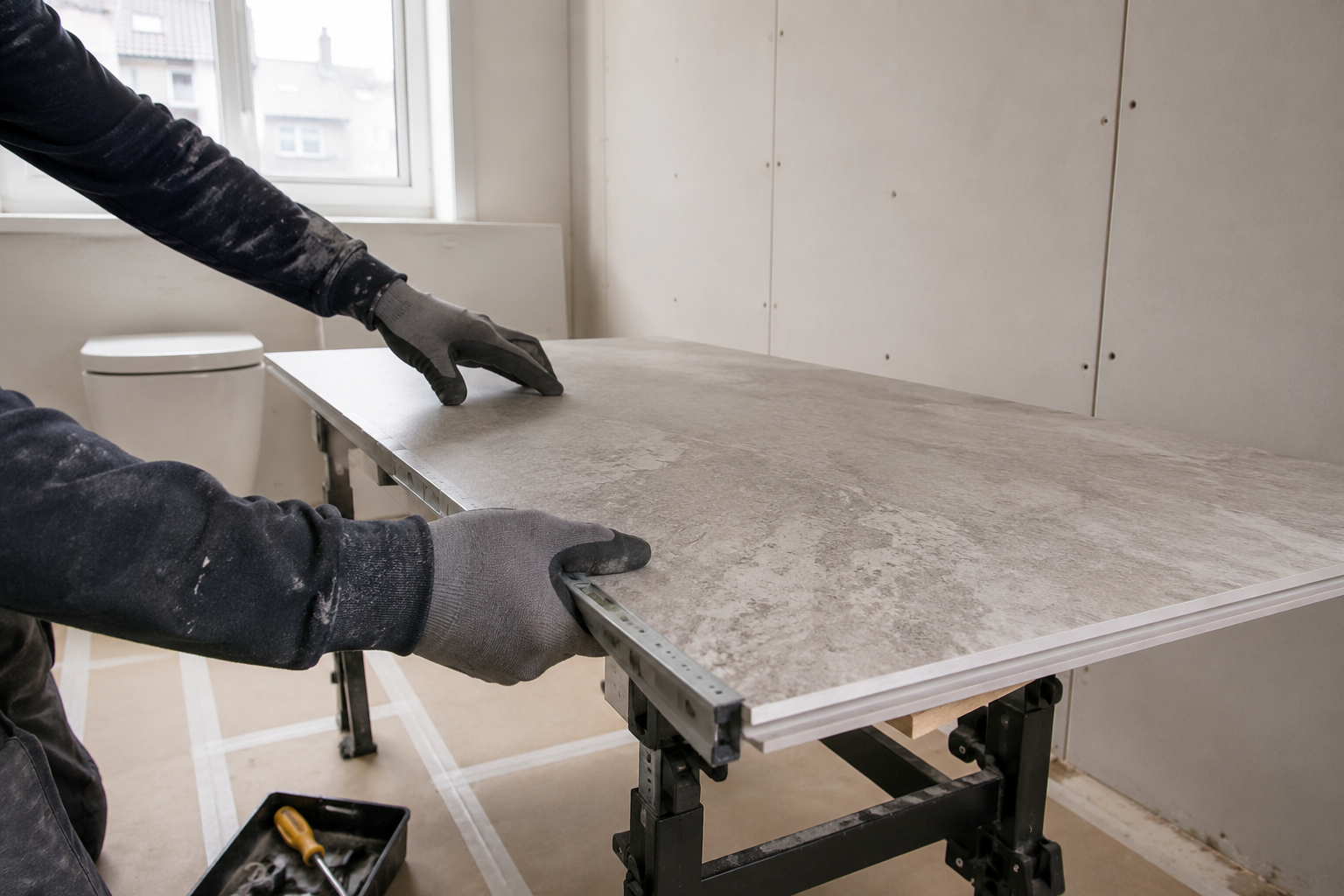
Loose plaster, damaged corners and signs of a leak need attention before new panels cover them. A visit can identify visible problems, while other damage may only appear during removal. Ask how the fitter will show you unexpected repairs and agree their cost. An allowance should say what it covers; it should not be an unexplained extra added at the end. Good preparation is part of making the bathroom usable for longer. Choosing a cheaper finish may be a reasonable saving, but skipping necessary wall repairs leaves the underlying problem in place.
Moving the Toilet, Bath or Shower
Keeping fittings near their current positions can reduce the amount of pipework, although the existing connections still need checking. Moving a toilet or shower may mean changes under the floor or behind other fittings. The new position must work with drainage as well as the furniture layout. Ask for the price of keeping the layout and the price of the proposed move if both are practical. That makes the benefit easier to judge. A wider shower or better doorway clearance may justify the extra work; a small visual change may not.
Choosing Bathroom Furniture and Fittings
A bath, shower screen, basin unit and taps can be available at very different prices. Product dimensions and fitting requirements matter alongside appearance. A wall-mounted vanity may need extra support, and a different shower may need changes to the water or electrical arrangements. List the exact items you want supplied and identify anything you are buying yourself. Ask who checks that separately purchased items fit the room and arrive before the installation. A low fitting quote is hard to compare if one installer has allowed for products that another has left out.
Delivery and Access to the Room
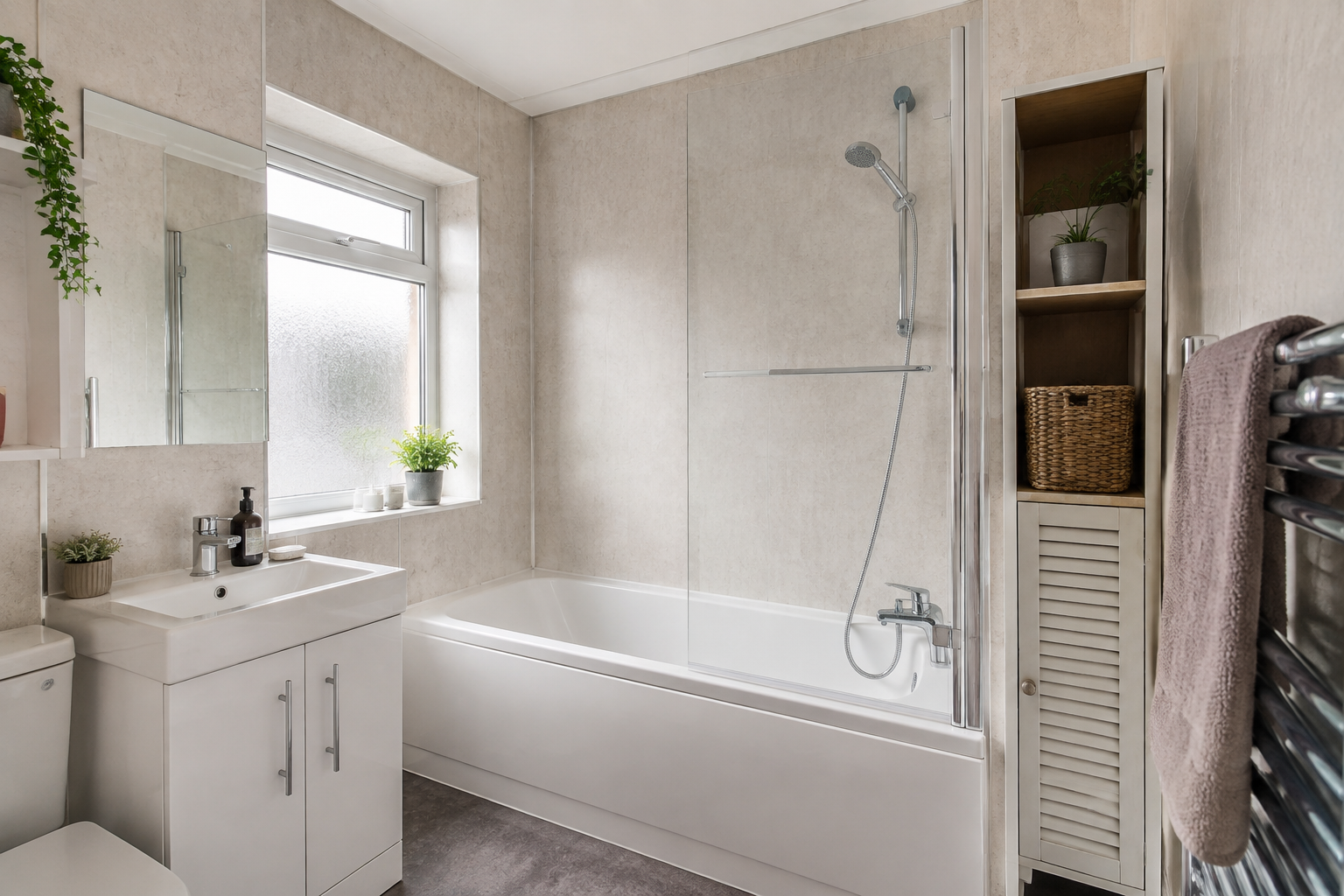
In an upper-floor Edinburgh flat, large boards need a route through the entrance, stair turns and landings. Parking and the distance from delivery point to the building may also affect handling. Tell the fitter about lift restrictions, shared doors and any building arrangements before the order is placed. A large board that cannot reach the bathroom may need a different size or joint layout. Ask whether delivery, carrying materials, protecting shared areas and taking waste away are included. These are practical parts of the job, even though they are not visible in the finished room.
Finishing Work Beyond the Panels
The panel installation may leave other work around the door, ceiling, floor or bathroom furniture. Check who deals with painting, floor edges, pipe boxing and refitting accessories. If a new fan or light is part of the plan, it should appear in the agreed work. The phrase complete bathroom can mean different things to different firms, so request an itemised description. Keep changes to the plan in writing as the choices develop. It is easier to compare a clear list now than to discover after fitting that an expected finishing task was excluded.
Deciding Where to Spend Your Budget
Start by separating essential repairs from changes you would like to make. Then compare the choices that affect everyday use: shower space, storage, ventilation and access around fittings. A simpler panel pattern or keeping a sound bath may leave more money for those improvements. Ask for alternatives using the same preparation standard so the comparison remains useful. Keep your chosen products, written quote and agreed changes together. The aim is a bathroom that solves the problems you identified, with a price linked to the actual room and work rather than an attractive headline alone.