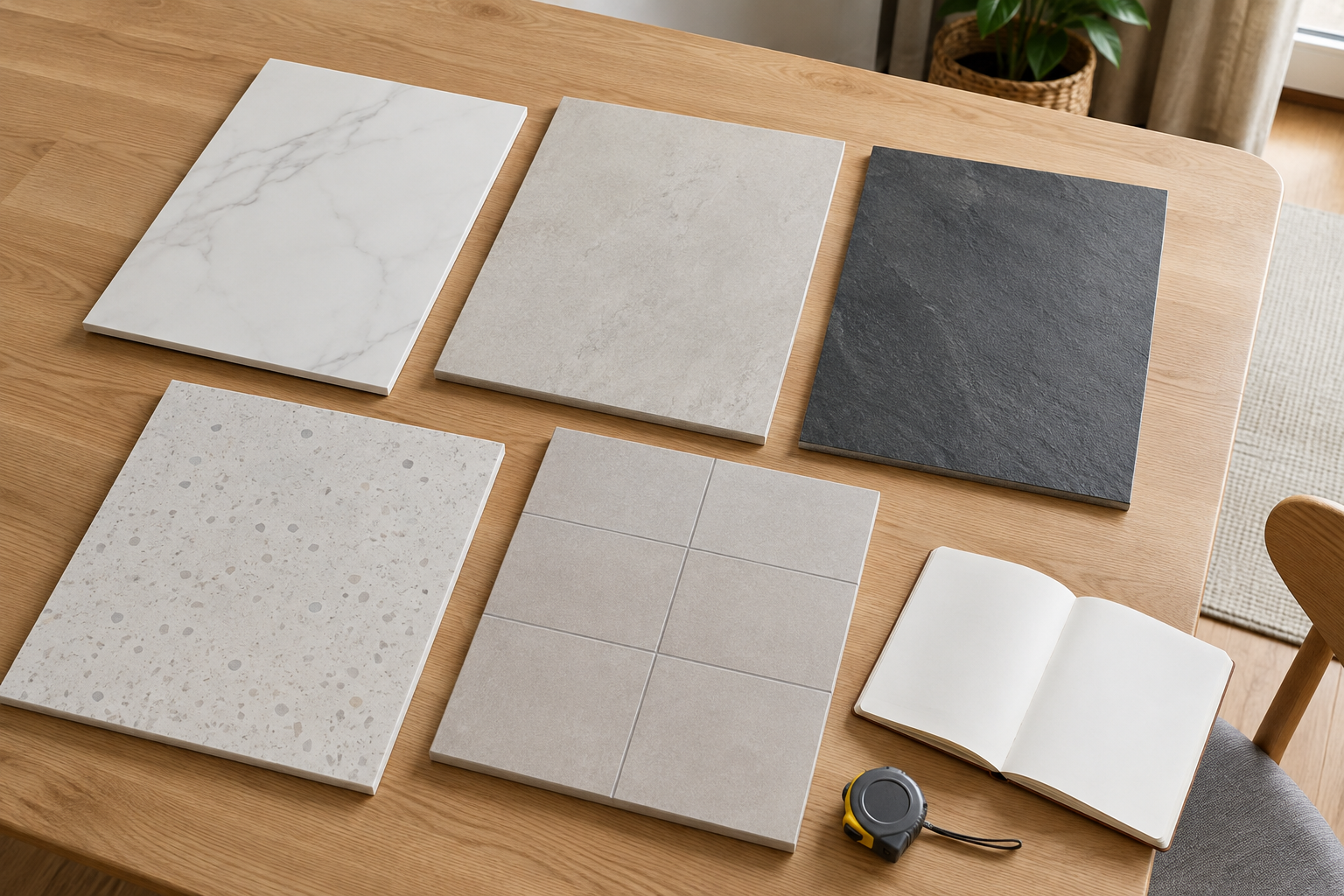
Material Names Are Only a Starting Point
Acrylic, PVC and laminate describe broad groups, not three products with identical properties within each group. Manufacturers offer different thicknesses, cores, finishes and joining systems. The useful comparison is between named ranges suitable for the position in your bathroom. Ask for their technical and care information alongside samples. A broad claim that one material is always premium or another always cheap does not tell you how the actual boards perform or look. Start with the room and your priorities, then compare specific options that can be properly installed there.
What to Ask About Acrylic Panels
An acrylic-faced or acrylic panel system may offer a particular gloss or colour effect, but construction and requirements vary. Ask whether the sample represents the complete board and how it is fixed, cut and joined. Check the guidance around heat, cleaning and fittings rather than borrowing instructions from another plastic product. A glossy sample can be attractive while still needing careful handling and maintenance. Look at the full wall appearance and visible edges. The product should be chosen for its suitability and finish in your room, not simply because the material name sounds more expensive.
What to Ask About PVC Panels
PVC boards can be lightweight and are available in varied designs and constructions, including some hollow-core products. Check the sample’s face, edge and joint so you understand what is being supplied. Ask how the board is supported and how accessories are fixed through it to the wall. Different widths can change the number of visible joints. A low sheet price may be appealing, but include the required trims, adhesive and fitting work in the comparison. The important question is whether the exact PVC system suits your bathroom and provides the appearance and care routine you expect.
What to Ask About Laminate Panels
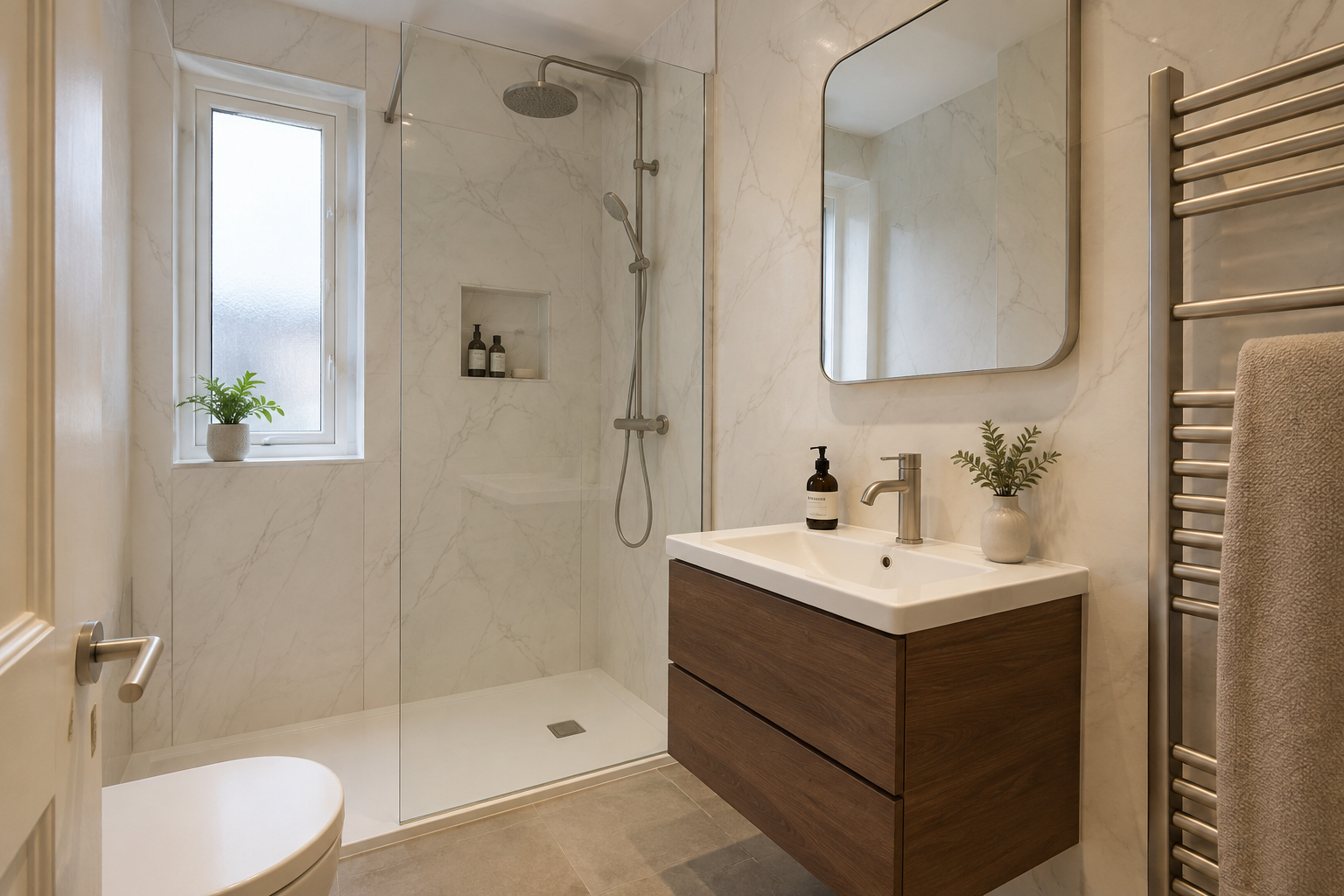
Laminate panels have a decorative face over a core, and that core can differ between ranges. Check the product’s intended wet-area use, joint method and treatment of cut edges. Larger, heavier boards may affect delivery and handling in an upper-floor flat. Ask how the system meets the bath or tray and whether the chosen finish is available in dimensions that suit the room. A substantial feel can be part of the appeal, but it does not remove the need for correct sealing and preparation. Compare the complete system rather than judging only the weight of a sample.
Compare Appearance in Your Own Lighting
Put the shortlisted samples beside the floor, vanity and fittings. Look at their colour, texture and shine under daylight and artificial light. Similar marble or stone pictures can differ noticeably in print quality and full-board pattern. Request a view of the entire design, especially if the sample is small. A mirror or window may create stronger reflections on one finish than another. Decide whether that suits your room. The most useful appearance comparison happens at the scale and lighting of the bathroom, not only under a showroom spotlight or on a phone screen.
Look at the Joints and Finishing Pieces
Ask to see corners, joining pieces and exposed-edge trims with each range. Their size and colour can change the finished look as much as the main board face. Some systems use shaped board edges; others rely on separate profiles. The installation instructions decide how those connections are sealed. Check how the system works around windows, controls and a bath or shower tray. A sample without its edge details gives an incomplete picture. You should understand what the actual fitted corners and ends will look like before choosing between otherwise similar-looking panel materials.
Check Cleaning and Damage Advice
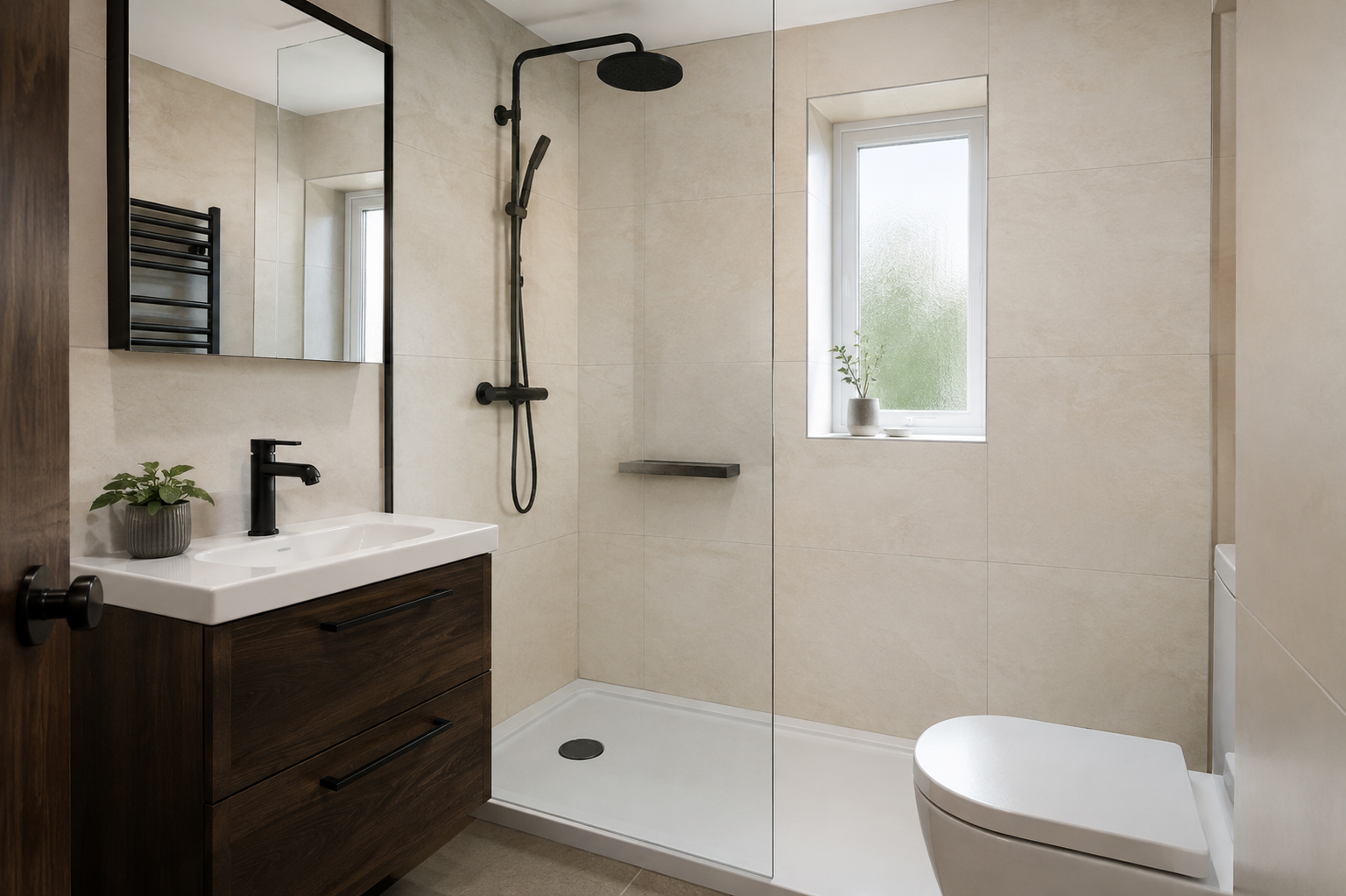
Read the care instructions for each shortlisted product. Look for restrictions on abrasive tools, solvents and particular cleaners. If water marks, hair products or other household uses matter to you, ask about those specifically rather than assuming all bathroom panels react the same way. Find out what happens if the face is scratched or a board needs replacing. A warranty should be read for its actual terms, not treated as a predicted lifespan. Choose a finish whose everyday care you can manage, and keep the instructions after fitting so maintenance does not depend on guesswork.
Compare the Installed Cost
Include preparation, removal, board quantities, trims, adhesive, fitting and waste disposal. The cheapest sample or sheet may not give the lowest total once the room’s cuts and joints are allowed for. Different board sizes can change waste and labour. If one option needs changes around a screen or window because of its thickness, that belongs in the comparison too. Ask for the same coverage and associated work in each quote. A clear price difference linked to named products is easier to judge than a broad claim that one material category is always better value.
Choose the Product That Fits the Job
Make a short list of the features that matter to you: appearance, fewer joints, delivery access, cleaning and budget. Compare two or three suitable ranges against that list and ask the fitter to explain any limitation. Confirm the exact product and fitting components in writing before ordering. There is no need to choose a material simply because a sales description ranks it above another. The sensible decision is a system you understand, with the finish you prefer and a fitting plan that works in the bathroom you actually have.